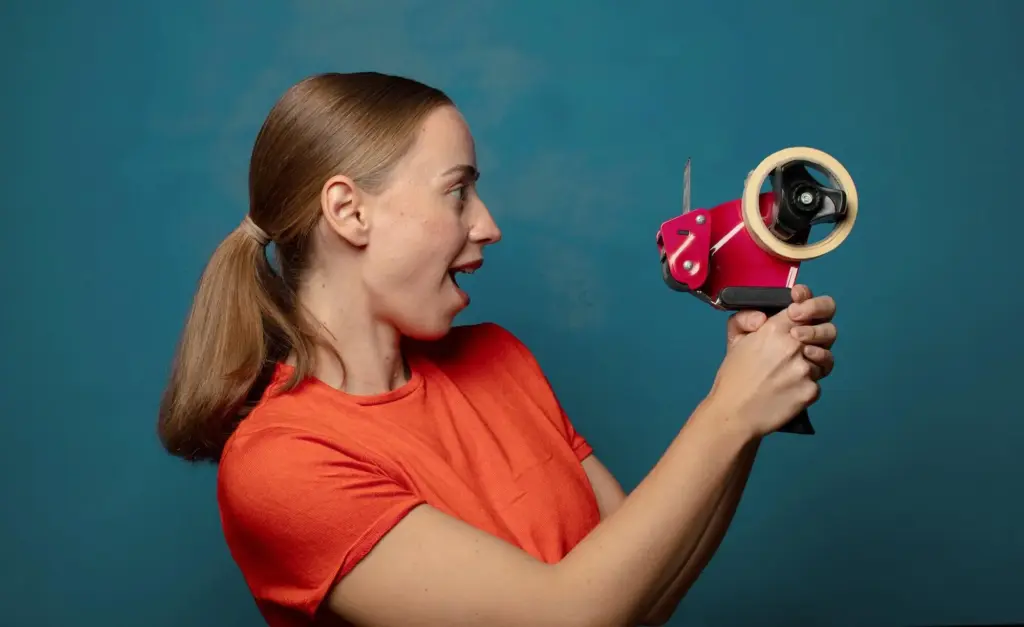
Step Into Confidence: Speak Boldly in Immersive Worlds

Put on a headset and trade guesswork for guided growth. In this edition, we focus on virtual reality public speaking simulators with real-time coaching, where immersive rooms, responsive audiences, and instant, human feedback help you refine delivery, calm nerves, and build persuasive presence faster than traditional rehearsal ever could.

Why Virtual Practice Works When Nerves Don’t

Immersive rehearsal convinces your nervous system you are truly onstage, yet keeps risk at arm’s length. You repeat challenging moments safely, watch reactions shift, and receive immediate cues from a live coach, compounding small wins into durable confidence across diverse speaking situations.

Inside the Simulation: Rooms, Audiences, and Variables

From intimate boardrooms to cavernous auditoriums, configurable spaces alter acoustics, sightlines, and audience energy. You iterate content and delivery against shifting constraints, exploring lighting, stage distance, and seating density, while audience behaviors—curiosity, distraction, skepticism—force intentional choices that make your message resonate under pressure.

Coaching in Real Time: Signals, Overlays, and Nudges

Live coaches partner with analytics to guide delivery without breaking flow. Subtle overlays, haptic taps, and color-coded prompts translate data into do-now adjustments, while empathetic human insight reframes nerves, celebrates progress, and keeps accountability gentle, clear, and consistently actionable after every run.

Voice and pacing analytics

Word-per-minute tracking, pitch contour mapping, and pause distribution reveal habits you may never notice alone. Coaches align insights with your intent, suggesting breath marks, contrast, and strategic silence so your point lands with weight, not rushed urgency or wandering filler.

Nonverbal guidance without breaking flow

Gaze heatmaps and posture cues surface where attention drifts or freezes. Gentle haptic reminders nudge you to scan the room, open shoulders, and ground feet, protecting connection while avoiding robotic gestures that distract from the human story you are telling.

Defusing Stage Fright with Exposure and Breath

Stage fright thrives on uncertainty. Controlled exposure inside believable rooms teaches your nervous system that intensity is survivable and even useful. Guided breathing, grounding cues, and compassionate coaching transform adrenaline into focus, so butterflies fly in formation when lights rise.

Gradual exposure done right

Start with tiny audiences and supportive faces, then increase stakes thoughtfully. By pairing slightly challenging moments with steady breath and quick wins, you rewire associations, reducing dread while preserving productive alertness that sharpens storytelling choices and timing under pressure.

Breath that leads the body

Box breathing, elongated exhales, and paced phrasing lower physiological arousal quickly. Practiced inside simulations, these patterns become automatic when surprises happen, letting you reclaim composure mid-sentence, hold constructive pauses, and speak with warmth instead of brittle, defensive intensity.

Reframing the audience

Rather than a panel of judges, imagine collaborators eager to understand. In VR you can practice welcoming tough questions, labeling them as bridges, not barriers. Over time, this reframe sticks, softening self-criticism and empowering clearer, kinder, more persuasive explanations.

Stories That Stick: Structure, Visuals, and Interaction

Build a spine people can follow

Hook, stakes, turning point, and promise of value give even technical talks a heartbeat. Rehearse the transitions aloud while watching audience energy, tightening wording until every beat carries purpose and empathy, then practice your closing call-to-action until it invites genuine response.

Visuals that serve the ear

Big fonts, sparse lines, and images with a single idea keep cognition free for listening. In VR, preview sightline distances and contrast, ensuring slides support, not compete, while your narration provides meaning, humor, and context that text alone can never deliver.

Interaction without losing the thread

Practice planting deliberate questions, quick polls, and hand-raise moments that feel natural, not performative. Simulated interruptions teach you to paraphrase, bridge, and return, preserving structure while honoring curiosity, which builds trust and keeps momentum pointed toward your central commitment.

Measuring Progress You Can Feel and See

Metrics that actually matter

Beyond speed, emphasize clarity windows, vocal variety, and recovery time after errors. Eye-contact sweeps measured across seating zones reveal inclusion. When these improve alongside comprehension checks, your delivery is maturing, not just accelerating, which matters more for trust and retention.

Reflective notes inside the headset

Between runs, dictate quick reflections about what felt strong, where energy dipped, and which coach prompts helped most. Reviewing these notes next session accelerates learning, linking sensations to choices, so improvement continues even when you step away from formal feedback.

Turn insight into routine

Convert results into a weekly cadence: one high-pressure scenario, one fundamentals tune-up, and one creative experiment. Protect a consistent window, share goals with your coach, and celebrate tiny wins, because frequent, focused practice compounds faster than occasional heroic sessions.

Pick the right headset and controllers

Balance resolution, comfort, and budget. Test fit with glasses, verify microphone quality, and consider cable management or standalone options. Prioritize devices that support hand tracking and stable frame rates, reducing fatigue so you can focus on learning, not troubleshooting hardware quirks.

Prepare the practice space

Clear obstacles, mark boundaries, and secure cables to prevent trips. Adjust lighting to minimize glare on lenses, and keep water within reach. A reliable Wi‑Fi connection and silent phone mode protect immersion, while a nearby notebook captures spontaneous insights worth revisiting later.

Design a habit you will keep

Tie practice to an existing routine, like morning coffee or post-lunch walks. Keep sessions short, end on a win, and share progress with a peer for accountability. Momentum grows when the next step feels obvious, easy, and slightly exciting every time.

Join the Practice: Share, Compare, and Celebrate

{{SECTION_SUBTITLE}}

Tell us where you want to speak next

Drop a quick note describing the room, audience size, and outcome you hope to achieve. We will suggest a simulation path and coaching focus tailored to your context, so your preparation feels personal, achievable, and exciting rather than vague or overwhelming.

Share a thirty-second clip

Post a short snippet from a recent run—opening line, transition, or closing ask. Invite constructive feedback on clarity and energy, and commit to a single improvement. Small public check-ins build accountability and normalize progress built from many careful experiments.
Varozavonilolivonexosira
Privacy Overview

This website uses cookies so that we can provide you with the best user experience possible. Cookie information is stored in your browser and performs functions such as recognising you when you return to our website and helping our team to understand which sections of the website you find most interesting and useful.